How to Prevent Frozen Pipes This Winter: A Complete Guide
When temperatures drop below freezing, the water inside your pipes can freeze solid. As water freezes it expands — and that expansion can crack or burst a pipe, leading to flooding, thousands of pounds of damage, and no heating or hot water just when you need it most. The good news is that frozen and burst pipes are almost entirely preventable. In this guide, our plumbers in Dartford and Kent explain how to prevent frozen pipes this winter — and what to do if the worst happens.
Why Do Pipes Freeze and Burst?
Water expands by about 9% when it freezes. Inside a sealed pipe, that expansion creates enormous pressure — enough to crack copper, plastic or even steel pipes. The pipe often doesn't actually burst where the ice is, but at the weakest point elsewhere in the system. That's why you might not notice a problem until the ice thaws and water suddenly pours out.
Which Pipes Are Most at Risk?
- Pipes in lofts and unheated attics — cold with little airflow to warm them.
- Pipes in garages and outbuildings — exposed to the outside cold.
- External pipes — outdoor taps, condensate pipes, garden pipework.
- Pipes on outside walls — poorly insulated cavity walls.
- Pipes in cupboards — closed-off areas with no warm air circulation.
10 Ways to Prevent Frozen Pipes
1. Insulate Your Pipes (Lagging)
The single most effective step. Wrap foam pipe insulation (lagging) around all exposed pipes, especially in lofts, garages and outside. It's cheap, easy to fit yourself, and available from any DIY shop. Prioritise cold areas and pipes near exterior walls.
2. Keep Your Heating On Low When Away
If you're going away in winter, leave your heating on at a low temperature (around 12–14°C). It costs a little extra but keeps warm water circulating and stops pipes freezing. Never turn the heating off completely during a cold snap.
3. Insulate Your Loft
Loft insulation keeps heat in your home — but the loft itself stays cold. Make sure any pipes running through the loft are lagged, not just sitting on top of the insulation.
4. Let Taps Drip Slightly
During a severe freeze, letting a tap at the furthest point from the mains run in a slow trickle relieves pressure in the system. If a pipe does freeze, the open tap gives the expanding ice somewhere to push, reducing the chance of a burst.
5. Open Loft Hatches and Cupboard Doors
Let warm air reach cold areas. Open the loft hatch and any cupboard doors that contain pipework (especially where the main stopcock is) so the warmth from your home can circulate.
5. Lag the Condensate Pipe
Your boiler's external condensate pipe is one of the most common causes of winter boiler breakdowns. Insulate it with foam lagging before the cold weather arrives — a frozen condensate pipe will shut your boiler down entirely.
7. Fix Dripping Taps
A dripping tap keeps a trickle of water moving, but a slow leak can still freeze at the tap outlet and back up into the pipe. Fixing drips also saves water.
8. Find Your Stopcock Now
Know where your main stopcock is — the valve that shuts off all water to your home. If a pipe does burst, you need to shut this off fast. It's usually under the kitchen sink or in a downstairs cupboard. Test it works before winter.
9. Drain Outdoor Systems
If you have an outdoor tap, garden hose or irrigation system, drain them and isolate the supply before the first frost. Fit an isolation valve indoors so you can shut off the supply to outside taps in winter.
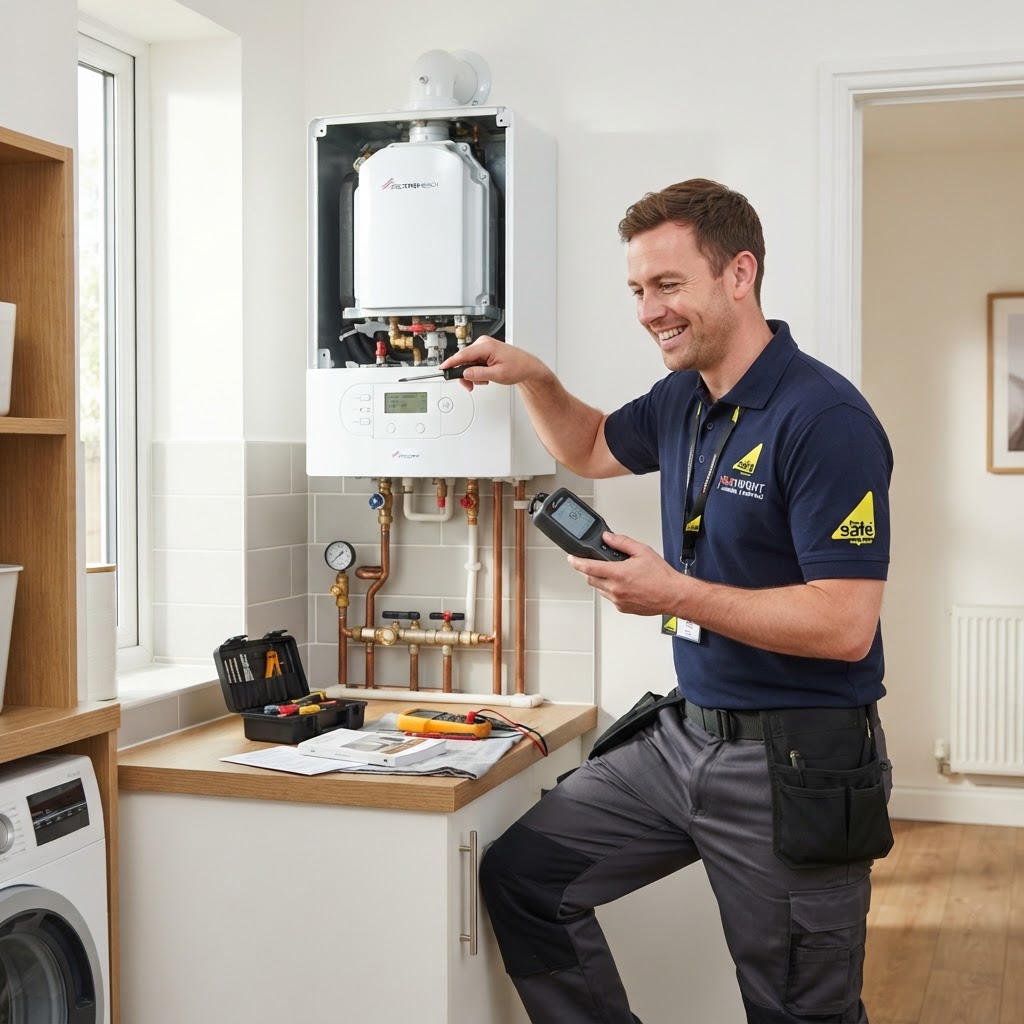
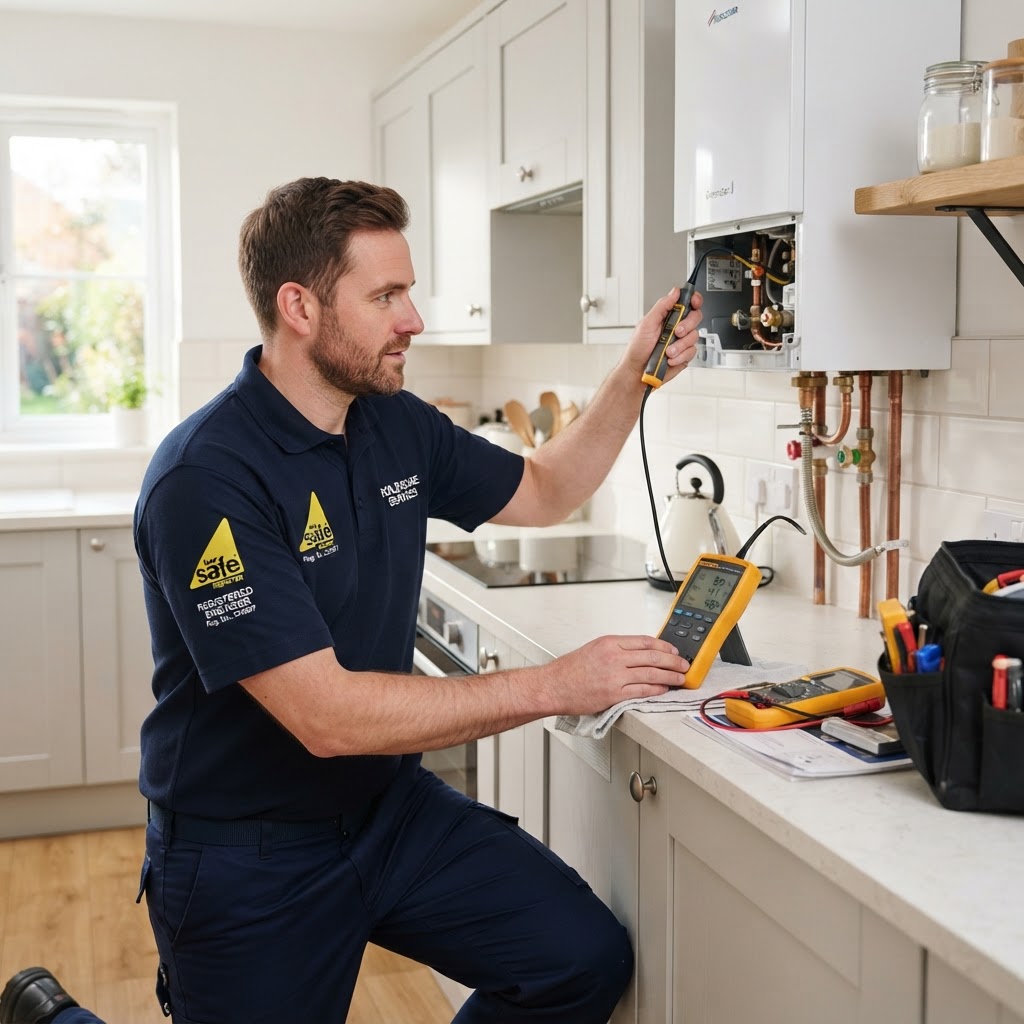
10. Service Your Boiler Before Winter
An annual boiler service ensures your heating is reliable when you need it most, and your condensate pipe is in good order. Don't wait for a cold snap to discover your boiler isn't working.
How to Tell If a Pipe Is Frozen
- No water — or only a trickle — when you turn on a tap.
- Frost or condensation on an exposed pipe.
- A strange smell from a drain or tap (blocked venting).
- A bulge or crack visible on a pipe.
- Boiler fault code — if the condensate pipe is frozen, the boiler will often display an error and shut down.
What to Do If a Pipe Freezes
- Turn off the water at the stopcock immediately.
- Turn off the boiler and any water-using appliances.
- Open the tap nearest the frozen pipe to let water escape as it thaws.
- Gently warm the pipe with a hot water bottle, warm cloth or hair dryer — start at the tap end and work towards the frozen blockage.
- Never use a naked flame or boiling water directly — you can crack the pipe or start a fire.
- Check for splits or bulges — if the pipe has burst, don't try to thaw it; call a plumber.
What to Do If a Pipe Bursts
- Shut off the main stopcock straight away.
- Turn off the electricity at the fuse box if water is near wiring or sockets.
- Open all taps to drain the system and reduce the water in the pipes.
- Catch water in buckets, move furniture and valuables away.
- Call an emergency plumber immediately.
Protecting Your Boiler This Winter
A frozen condensate pipe is the number one cause of winter boiler breakdowns. The condensate pipe carries waste water from your boiler to an outside drain. In freezing weather, the water inside can turn to ice, blocking the pipe and triggering a boiler fault code.
To Thaw a Frozen Condensate Pipe:
- Locate the plastic pipe outside your home.
- Pour warm (not boiling) water over the frozen section from a jug.
- Or wrap a hot water bottle or warm cloth around the pipe.
- Once thawed, reset your boiler.
- If it won't reset, call an engineer.
To Prevent It:
- Lag the pipe with foam insulation before winter.
- Reroute the pipe internally if it's a recurring problem (we can do this for you).
- Keep the heating on low during cold snaps.
Get Your Home Winter-Ready
A few hours of prevention now can save you thousands of pounds and a flooded home this winter. If you'd like help lagging pipes, servicing your boiler, or checking your home is protected, our plumbers and heating engineers cover Dartford, Bexley, Gravesend, Swanley and all of Kent.
Call Warren Plumbing & Heating on 07793 134077 or get in touch online — we'll help you winter-proof your plumbing and heating.