Understanding Your Boiler Pressure
There is nothing quite as frustrating as waking up to a cold house or a shower that refuses to get warm. If your boiler has suddenly stopped working, one of the most common culprits is a drop in system pressure. Modern combi and system boilers are sealed units that rely on a specific amount of water pressure to circulate heat effectively around your home. When this pressure drops below the manufacturer's recommended level, the boiler will often shut down as a safety precaution to prevent damage to its internal components.
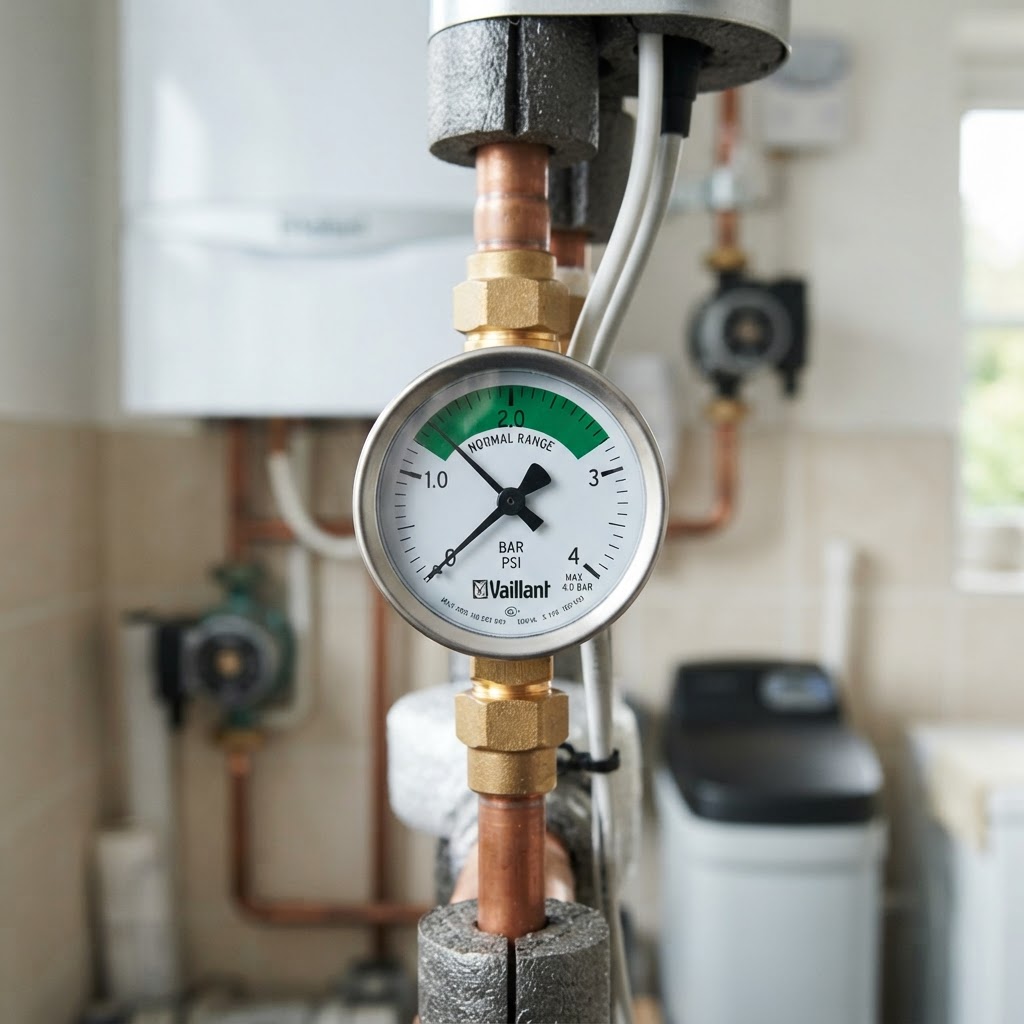
Most boilers in the UK operate optimally when the pressure gauge reads between 1 and 1.5 bar. You can usually find this gauge on the front control panel of your boiler, though on some models, it may be tucked away behind a small flap or underneath the unit. If your needle is sitting below the 1 bar mark, or if your digital display is showing a low-pressure warning code, your system likely needs a top-up.
Why Does Pressure Drop?
It is perfectly normal for boiler pressure to fluctuate slightly as the water inside your radiators heats up and expands. However, if you find yourself needing to top up the pressure frequently, there is usually an underlying issue. The most common cause is a small leak somewhere in your central heating system. This could be a weeping radiator valve, a loose joint, or even a pinhole leak in a pipe hidden under floorboards.
Another frequent cause is recent maintenance. If you have recently bled your radiators to remove trapped air, you may have inadvertently released too much water, causing the system pressure to dip. In some cases, the pressure relief valve (PRV) may have opened to release excess pressure, but failed to seal perfectly afterwards, leading to a slow, persistent loss of water.
How to Check and Repressurise
Before you attempt to adjust anything, always consult your boiler’s user manual. Every manufacturer has a slightly different method for repressurising, and using the wrong valves can cause issues. Generally, you will be looking for a 'filling loop'—a flexible silver hose that connects your mains water supply to your heating system.
To repressurise, ensure your heating is turned off and the radiators are cold. Locate the filling loop valves and slowly open them to allow water into the system. Keep a close eye on the pressure gauge as you do this; you want the needle to rise steadily into the green zone (usually between 1 and 1.5 bar). Once it reaches the correct level, ensure the valves are turned firmly off. If you over-pressurise the system, you may need to bleed a radiator to let a little water out until the gauge returns to the correct level.
When to Call a Professional
While topping up your boiler pressure is a task many homeowners can manage, it is not a permanent fix if the pressure keeps dropping. If you find yourself having to repressurise your system every few weeks or months, you have a leak that needs attention. Ignoring a persistent leak can lead to corrosion, damage to your flooring, or even a total boiler breakdown.
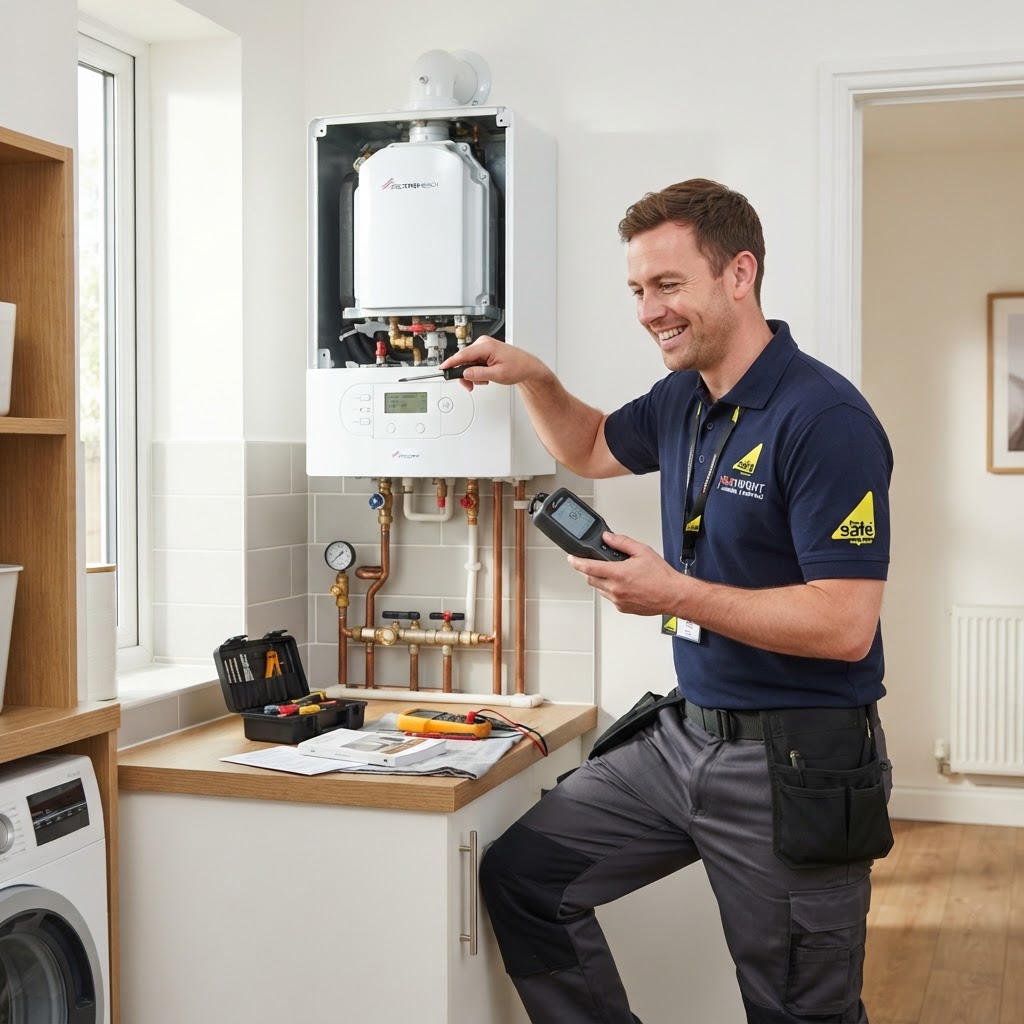
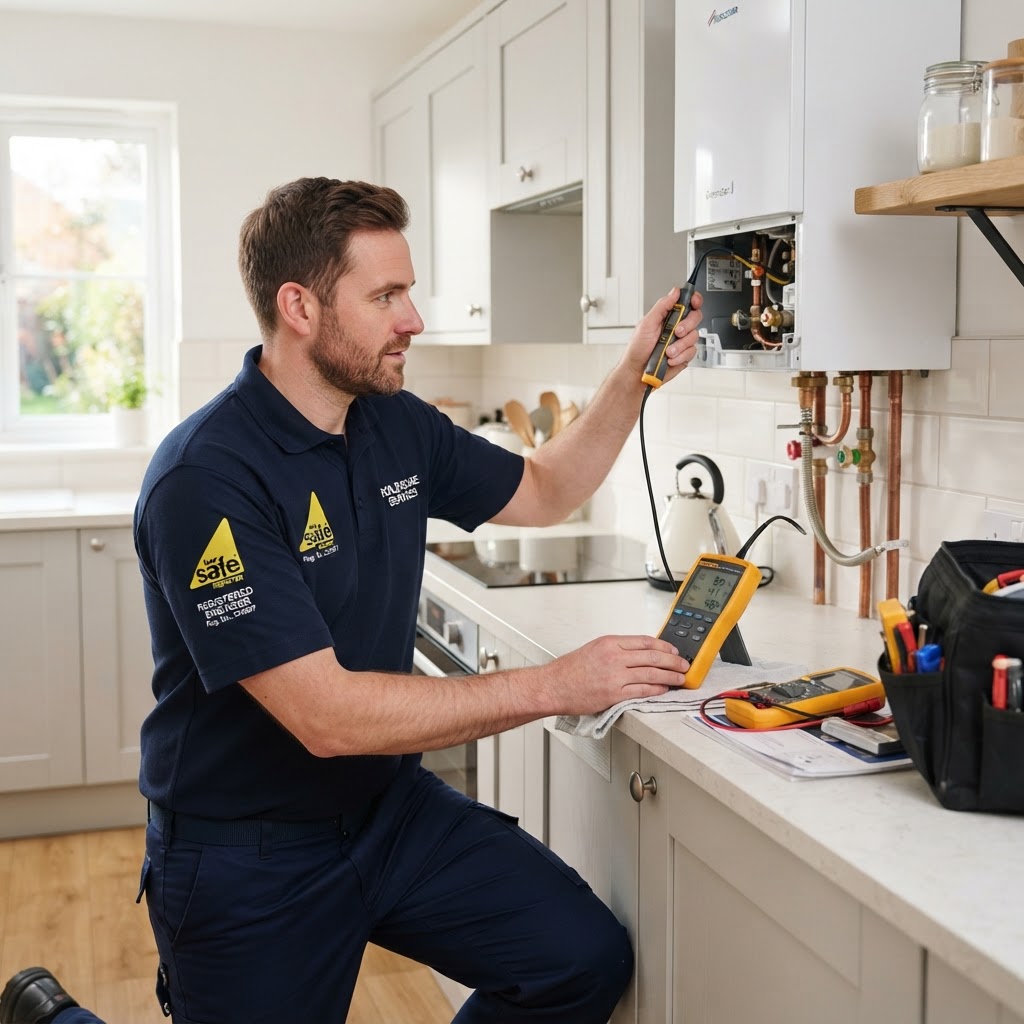
At Warren Plumbing & Heating, we are Gas Safe registered and experienced in diagnosing these tricky, hidden leaks across Dartford and the surrounding areas. If you are struggling to find the source of the pressure loss or if your boiler refuses to hold pressure after a top-up, our local team is here to help. We provide practical, honest advice to get your heating back to its best without the unnecessary fuss.