10 Common Boiler Problems and How to Fix Them
A boiler problem never comes at a convenient time — usually it's the coldest morning of the year, just before the in-laws arrive. The good news is that many of the most common boiler faults have simple causes, and some you can even diagnose yourself before calling a Gas Safe registered engineer. In this guide, our heating engineers in Dartford and Kent cover the 10 most common boiler problems, what causes them, and how to fix them safely.
1. No Heating or Hot Water
The most common — and most inconvenient — boiler problem. Causes include:
- Low boiler pressure (below 1 bar) — repressurise using the filling loop.
- Broken thermostat — check it's set correctly and the batteries aren't dead.
- Tripped circuit breaker — check your fuse box.
- Faulty pump or diverter valve — needs a qualified engineer.
If repressurising and resetting the boiler doesn't help, it's time to call an engineer.
2. Boiler Losing Pressure
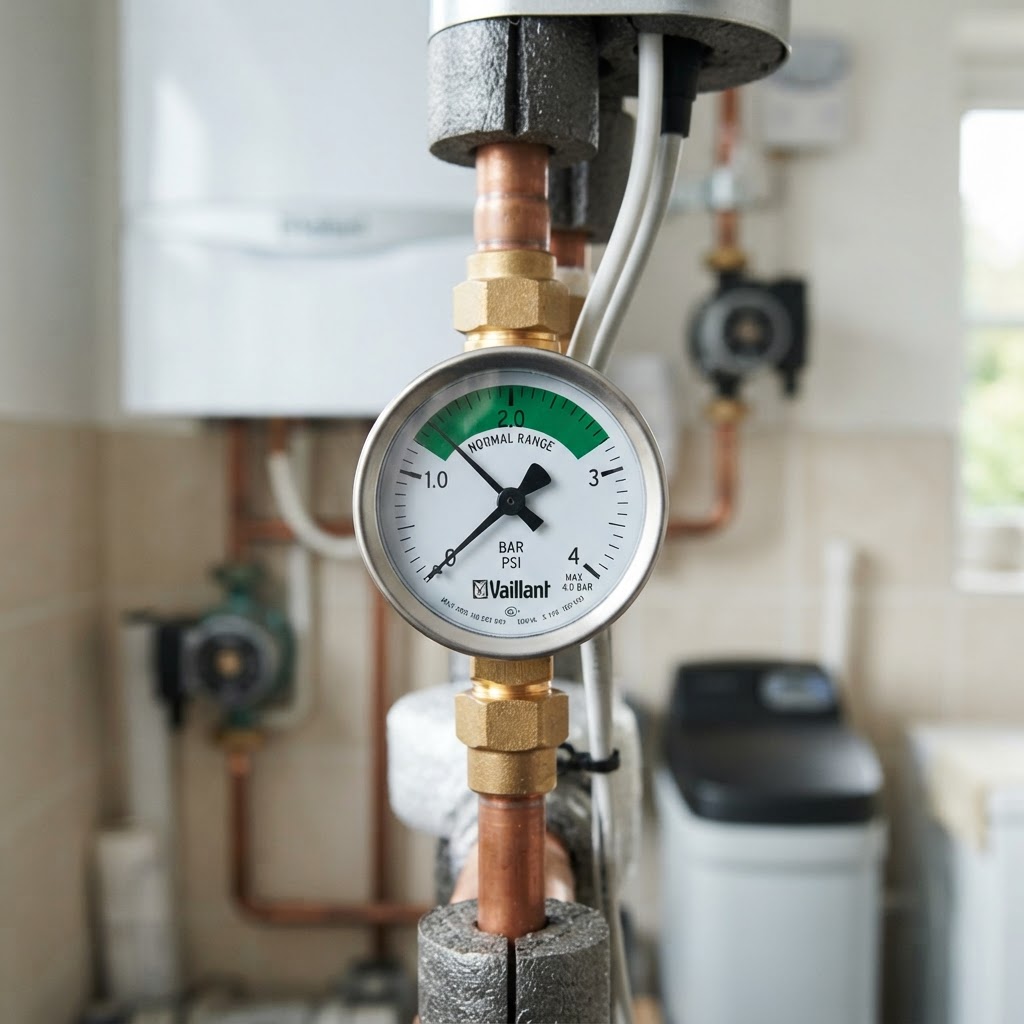
If your boiler pressure keeps dropping to zero, you likely have a leak somewhere in the system — often a faulty pressure relief valve, a leaking pipe joint, or a damaged heat exchanger. Check the pressure gauge; a healthy system sits between 1 and 1.5 bar when cold. If it drops repeatedly after repressurising, you have a leak that needs locating and fixing.
3. Strange Noises (Kettling, Banging, Gurgling)
A noisy boiler is usually a sign of limescale or sludge build-up in the heat exchanger. When water can't circulate freely, it boils and creates a "kettling" sound. Other causes include trapped air (bleed your radiators) or a failing pump. Kettling left untreated can damage the heat exchanger, so book a powerflush or a service.
4. Radiators Cold at the Top (Trapped Air)
If your radiators are hot at the bottom but cold at the top, air is trapped inside. The fix is simple: bleed the radiators with a radiator key. Always do this when the heating is off and have a cloth ready to catch drips. If the problem returns frequently, your system may need a powerflush.
5. Radiators Cold at the Bottom (Sludge)
Cold at the bottom means black sludge has settled in the bottom of the radiator, blocking heat flow. This is a sign your system needs a powerflush to clear the build-up and restore full circulation. Left alone, sludge corrodes radiators from the inside and shortens their lifespan.
6. Boiler Keeps Switching Itself Off
This "short cycling" can be caused by:
- Low water pressure — repressurise the system.
- A faulty thermostat — misreading the temperature.
- Lack of water flow — a blocked pump or frozen condensate pipe in winter.
- Air in the system — bleed the radiators.
If your condensate pipe has frozen (common in cold snaps), pour warm (not boiling) water over the external pipe to thaw it.
7. Pilot Light Keeps Going Out
On older boilers, a pilot light that won't stay lit usually points to a faulty thermocouple — the safety device that detects the flame. This is a cheap part but must be fitted by a Gas Safe engineer. On modern boilers, the electronic ignition replaces the pilot light, so this fault is rare.
8. Leaking and Dripping
A leaking boiler should never be ignored. Common causes include a corroded heat exchanger, a failed pressure relief valve, or loose pipe connections. Turn off the water supply and boiler, and call an engineer. A leaking heat exchanger on an older boiler often means a replacement is more cost-effective.
9. Thermostat Issues
If your heating comes on at the wrong times or not at all, the thermostat could be:
- In the wrong location — near a heat source or in a cold hallway, giving false readings.
- Out of batteries (smart thermostats like Hive and Nest).
- Poorly positioned or faulty — consider upgrading to a smart thermostat.
10. Frozen Condensate Pipe
In winter, the condensate pipe that carries waste water outside can freeze, causing the boiler to shut down with a fault code. To thaw it safely:
- Locate the external plastic pipe.
- Pour warm (not boiling) water over the frozen section.
- Reset the boiler.
To prevent it recurring, lag (insulate) the pipe before next winter.
When to Call a Gas Safe Engineer
Some faults are safe to check yourself — pressure, thermostat settings, bleeding radiators. But anything involving gas, the internal components, or electrics must be handled by a Gas Safe registered engineer. Never attempt to dismantle a boiler yourself.
Call a professional immediately if you notice:
- The smell of gas — call the National Gas Emergency Service on 0800 111 999.
- A yellow, lazy or flickering flame (possible carbon monoxide risk).
- Soot or scorch marks around the boiler.
- A boiler that's making loud banging noises or leaking.
Preventing Boiler Problems Before They Start
The single best way to avoid boiler breakdowns is an annual boiler service. A yearly service by a Gas Safe engineer:
- Catches small faults before they become expensive breakdowns.
- Keeps your boiler running efficiently (lower bills).
- Maintains your manufacturer's warranty.
- Keeps your home safe from carbon monoxide.
Need a Boiler Engineer in Dartford or Kent?
At Warren Plumbing & Heating, we've been fixing boilers across Dartford, Bexley, Gravesend, Swanley and Kent for over 40 years. Whether you need a fast repair, an annual service, or an honest opinion on whether to replace your boiler, we're here to help.
Call us on 07793 134077 or book a repair online — we'll get your heating back up and running fast.