For many homeowners in Dartford and across Kent, the central heating system is something we only think about when it stops working. We turn the thermostat up, expect the radiators to get hot, and get on with our day. However, beneath the surface of your pipes and radiators, a quiet process of internal corrosion could be stealing your heat and pushing your energy bills higher.
This process leads to the buildup of 'sludge'—a thick, black, muddy substance formally known as magnetite. If your system is suffering from a buildup of this debris, a standard boiler service won't be enough to clear it. That is where powerflushing comes in. In this guide, we will look at what powerflushing actually involves, the signs that your home needs it, and how it can help you maintain a more efficient, reliable home.
What is Powerflushing?
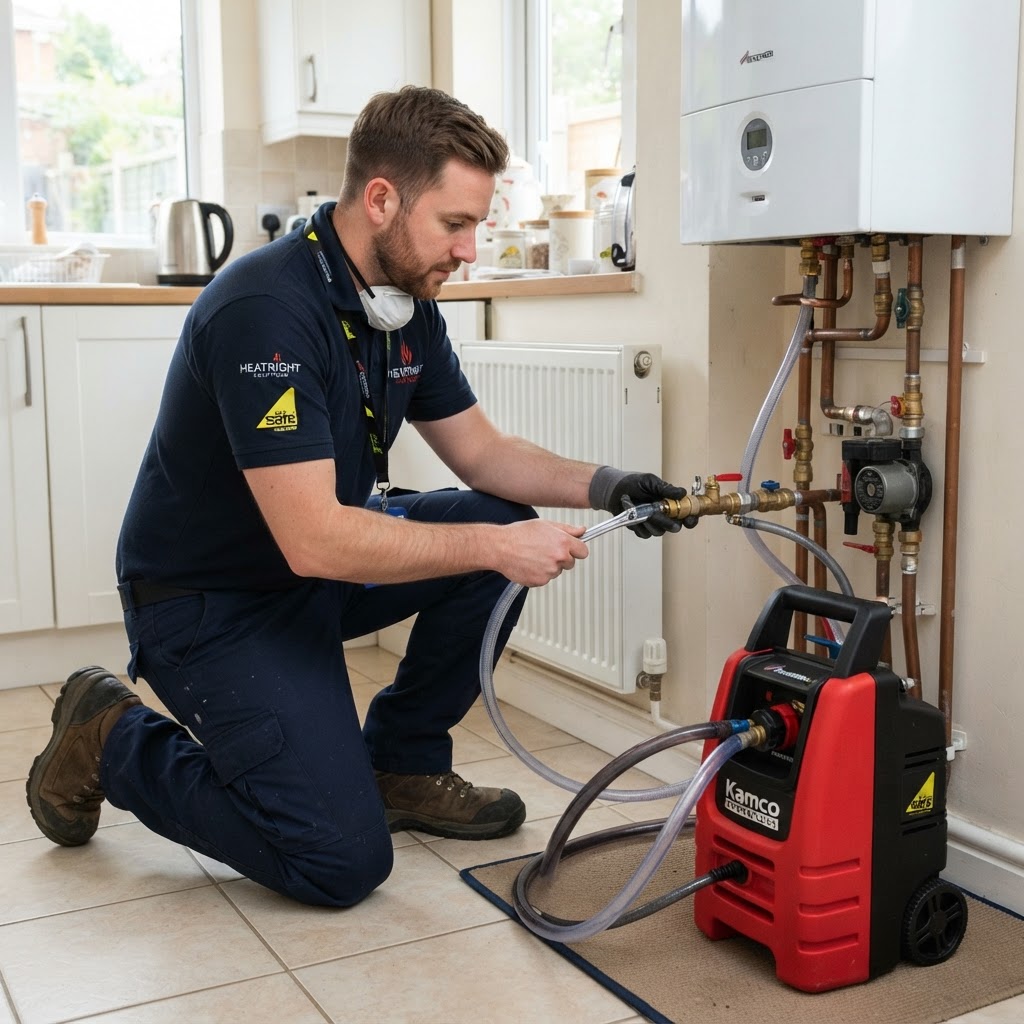
Powerflushing is a specialised cleaning process designed to remove the accumulation of sludge, rust, and lime scale from your central heating system. While it sounds aggressive, it is actually a controlled procedure. A qualified heating engineer connects a powerful, high-flow (but low-pressure) pumping unit to your system—usually where the circulator pump or a radiator is located.
During the process, a mixture of water and heavy-duty cleaning chemicals is circulated through the pipework and radiators at a high velocity. The engineer treats each radiator individually, flushing them out until the water runs clear. This dislodges the magnetite that has settled at the bottom of your radiators and clears the narrow internal channels of your boiler’s heat exchanger.
It is important to note that powerflushing uses high flow rates, not high pressure. This distinction is vital because it means the process is generally safe for older systems, as it doesn't 'blast' the pipes in a way that would cause them to burst. Instead, it uses the volume of water and chemical action to scrub the system clean from the inside out.
The Tell-Tale Signs Your System is Clogged
How do you know if your heating system is struggling with sludge? Because the buildup happens gradually over several years, many people don't realise their system’s performance has dipped until it becomes a major problem. Here are the most common symptoms to look out for:
- Cold Spots at the Bottom of Radiators: This is the most classic sign. Magnetite is heavy, so it sinks. If the top of your radiator is hot but the bottom remains cold or lukewarm, there is likely a thick layer of sludge blocking the hot water from circulating through the bottom sections.
- Slow Warm-Up Times: If you find yourself waiting longer than usual for the house to get warm after the heating kicks in, the sludge is likely acting as an insulator, preventing the heat from transferring efficiently into your rooms.
- A Noisy Boiler: Does your boiler sound like a kettle boiling? This is known as 'kettling.' It happens when lime scale or sludge builds up on the heat exchanger, causing localized overheating and steam bubbles. It’s not just annoying; it’s a sign of significant stress on the unit.
- Dirty Water When Bleeding Radiators: If you bleed your radiators and the water that comes out is dark, murky, or black, you have a sludge problem. Healthy system water should be relatively clear or slightly discoloured from inhibitors.
- Frequent Pump Failures: The central heating pump has to work much harder to push thick, sludgy water through the pipes. If you’ve had to replace your pump recently, it may have been a victim of a dirty system.
Why Does Sludge Form in the First Place?
Most central heating systems are 'black iron' or steel. Even though they contain water and are sealed, oxygen can still enter the system through microscopic leaks or via the header tank in older 'open-vented' systems. When water, oxygen, and metal meet, corrosion occurs.
This corrosion creates iron oxide (magnetite). Over time, these tiny particles of rusted metal break off and circulate through the system, eventually settling in areas where the flow is slower—specifically the bottom of your radiators. Once a small amount of sludge settles, it becomes a trap for more debris, eventually creating a significant blockage that restricts water flow and reduces the efficiency of your boiler.
The Benefits of a Clean System
Investing in a powerflush isn't just about fixing a current problem; it’s about protecting your home for the future. There are several tangible benefits to clearing out your system:
- Lower Energy Bills: When your radiators are clear, they emit heat more effectively. Your boiler doesn't have to run for as long to reach the desired temperature on your thermostat, which can lead to noticeable savings on your monthly gas bill.
- Extended Boiler Life: A clean system puts less strain on the boiler’s internal components, such as the heat exchanger and the pump. This reduces the likelihood of an expensive breakdown in the middle of a Kent winter.
- Better Heat Distribution: You’ll notice that your home feels warmer and more comfortable, with no more annoying cold spots in the middle of the living room.
- Validating Warranties: Many modern boiler manufacturers actually require the system to be flushed and cleaned to a certain standard (specifically BS 7593:2019) before they will honour a warranty on a new installation. If a new boiler fails because of old sludge in the pipes, they may refuse to cover the repair.
Long-Term Protection After the Flush
Once the powerflush is complete, the job isn't quite finished. To prevent the sludge from returning, a professional engineer will add a chemical 'inhibitor' to the water. This liquid coats the inside of the pipes and radiators, significantly slowing down the corrosion process.
Furthermore, we highly recommend the installation of a magnetic system filter if you don't already have one. These devices are fitted to the return pipework near the boiler. They contain a powerful magnet that 'catches' any new particles of magnetite before they can reach the boiler or settle in the radiators. During your annual boiler service, the engineer simply unscrews the filter, cleans off the collected debris, and puts it back—providing a permanent line of defence for your heating system.
Conclusion
Powerflushing is one of the most effective ways to restore a neglected heating system to its former glory. If your home in Dartford, Sidcup, or Gravesend is suffering from noisy pipes, cold radiators, or high energy bills, it might be time to look beyond the boiler and consider the health of the water inside your pipes.
At Warren Plumbing & Heating, we provide professional powerflushing services across Kent and the surrounding 30-mile radius. As Gas Safe registered experts, we can assess your system, perform a water quality test, and advise whether a powerflush is the right solution for your home. Keeping your heating healthy is what we do best, ensuring you stay warm and efficient all year round.