Whether you are planning a full kitchen renovation or simply replacing an old, tired appliance, a new gas hob or cooker is often the centrepiece of a British home. There is something about the precision of a real flame that many of us prefer for our Sunday roasts and mid-week stir-fries. However, because these appliances involve live gas connections, the installation process is governed by strict safety regulations.
In this guide, we will walk you through what you need to know about gas cooker safety, the legal requirements for installation in the UK, and how to ensure your kitchen remains a safe environment for your family.
The Legal Requirement: Why DIY is Not an Option
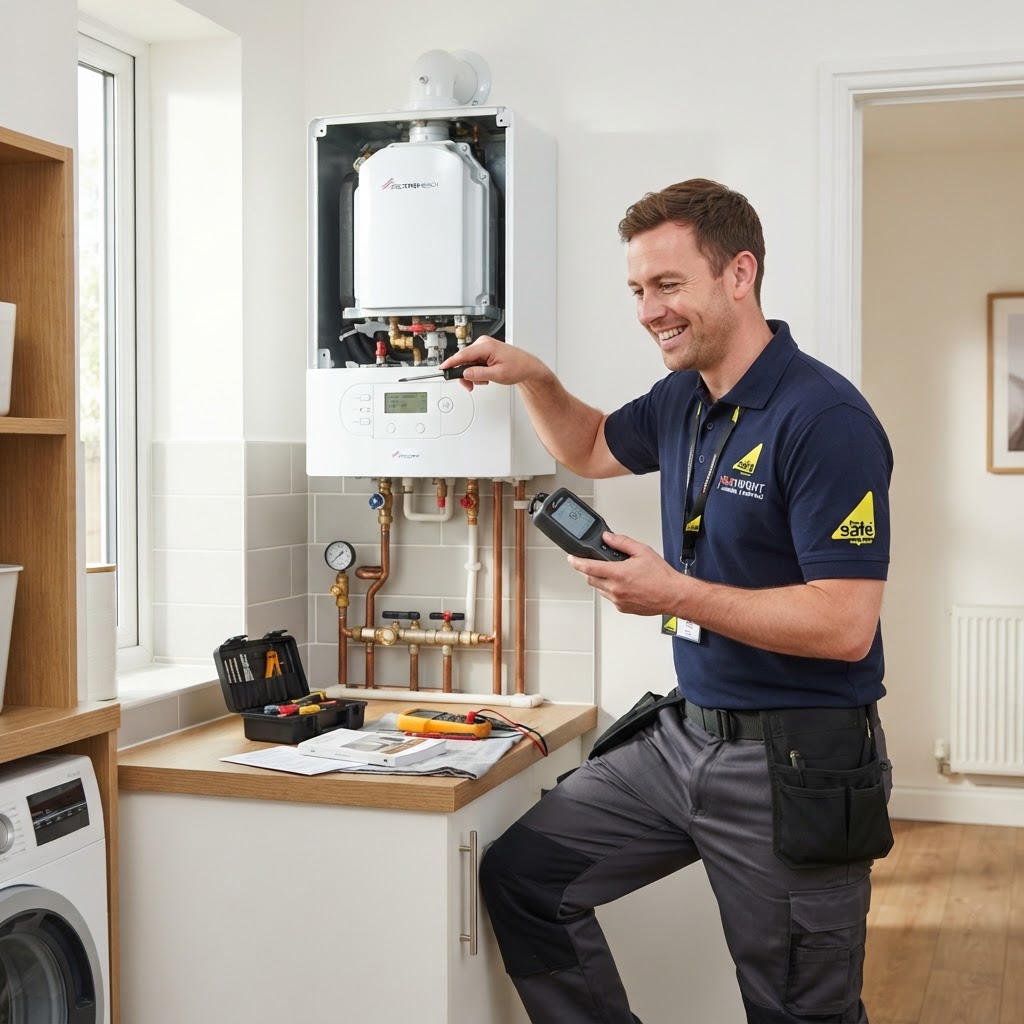
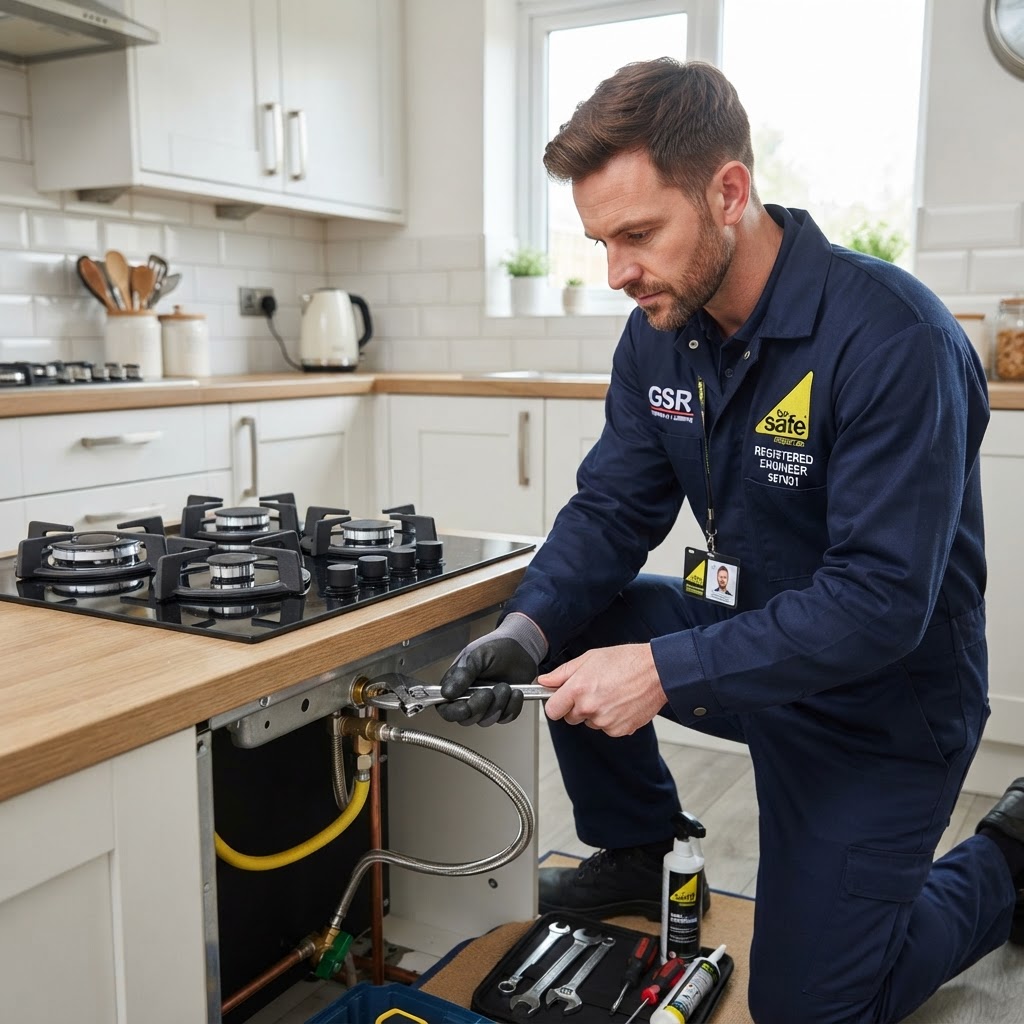
When it comes to home improvements, many of us in Kent enjoy a bit of DIY. However, gas work is the one area where you must never take a 'give it a go' approach. Under the Gas Safety (Installation and Use) Regulations 1998, it is a legal requirement that anyone carrying out work on a gas appliance must be competent and, if they are doing it for payment, they must be on the Gas Safe Register.
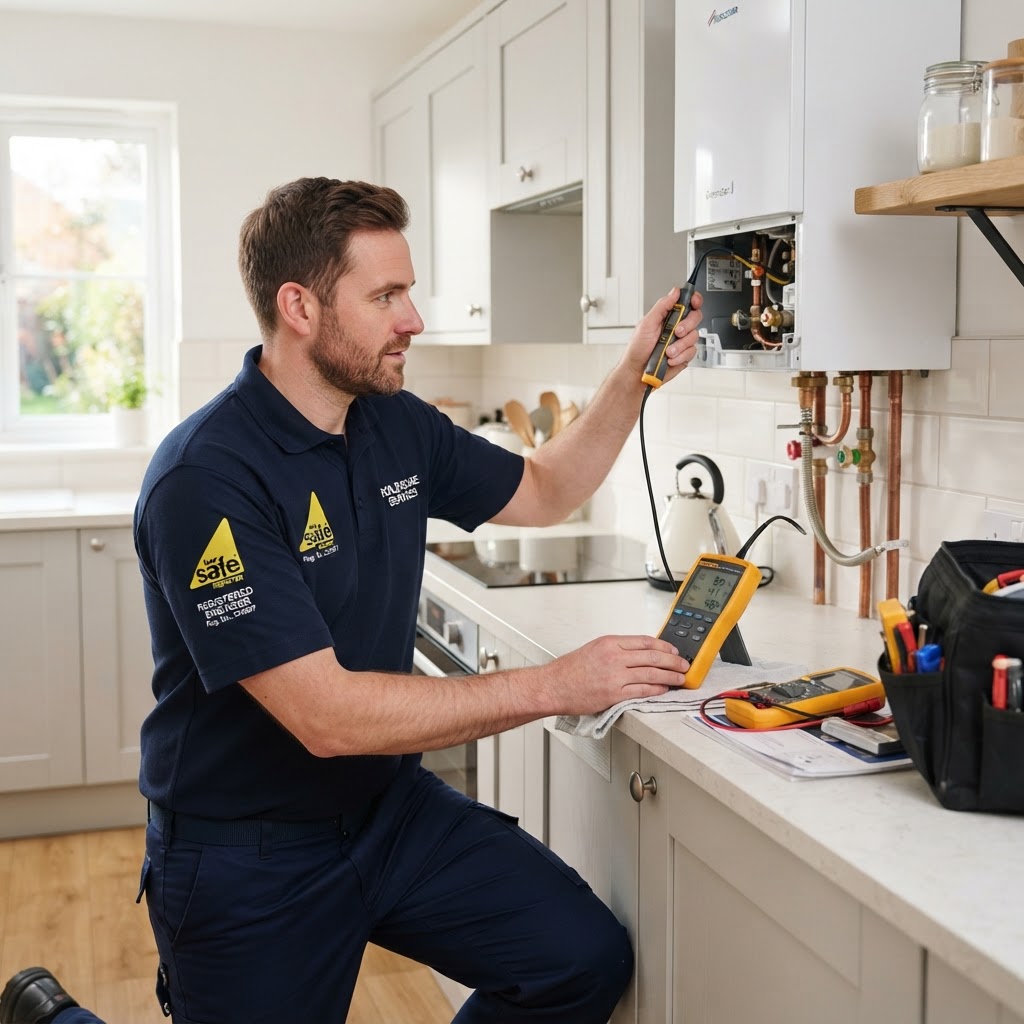
Installing a gas hob involves more than just connecting a hose. It requires a 'tightness test' on your entire gas system to ensure there are no leaks, a check of the gas pressure, and a verification that the appliance is burning fuel correctly. An incorrectly fitted hob can lead to slow gas leaks, which are a significant fire hazard, or the production of carbon monoxide (CO), a tasteless, odourless gas that can be fatal. When a professional engineer completes the job, they will provide you with a certificate or a record of the installation, which is vital for your home insurance and for your peace of mind.
Understanding the Hot Zone and Clearances
One of the most common reasons a gas hob installation fails a safety check is the 'Hot Zone'—the area immediately around and above the hob. Safety regulations specify that there must be a minimum clearance between the burners and any combustible materials, such as wooden kitchen cupboards, wallpaper, or even a cooker hood.
Typically, manufacturers require a gap of at least 750mm between the hob and the cooker hood above it, though some modern regulations and specific appliance manuals may suggest up to 900mm. Furthermore, there should be a horizontal safety gap (usually around 50mm to 150mm) between the edge of the hob and any tall units or curtains. If your new hob is wider than your old one, you cannot simply 'squeeze it in' if it brings combustible materials too close to the flame. A Gas Safe engineer will measure these distances precisely before they even begin the connection.
Ventilation and Stability: The Hidden Essentials
For a gas flame to burn safely, it needs a constant supply of oxygen. If a kitchen is poorly ventilated, the hob will struggle to burn gas efficiently, leading to the production of carbon monoxide. During installation, an engineer will check that your kitchen has adequate ventilation—this might be an extractor fan that vents to the outside or a window that meets specific size requirements based on the room's volume.
For those installing freestanding gas cookers, stability is another crucial factor. UK safety standards require freestanding cookers to be fitted with a stability bracket or a security chain. This prevents the cooker from tipping forward if a heavy pot is placed on an open oven door—a common cause of kitchen accidents involving hot liquids and ruptured gas pipes. If your current cooker doesn't have one, it is a simple but vital safety upgrade to include during your next service.
Testing and Commissioning the Appliance
Once the physical connection is made using either a rigid copper pipe or a high-quality flexible hose (depending on the appliance type), the commissioning process begins. This is the most technical part of the installation. The engineer will:
- Perform a Tightness Test: This ensures the gas carcass of the house is 'sound' and no gas is escaping.
- Check the Flame Supervision Device (FSD): Most modern hobs are fitted with an FSD. This is a safety sensor that automatically cuts off the gas supply if the flame goes out (for example, if a pot boils over or there is a sudden draught).
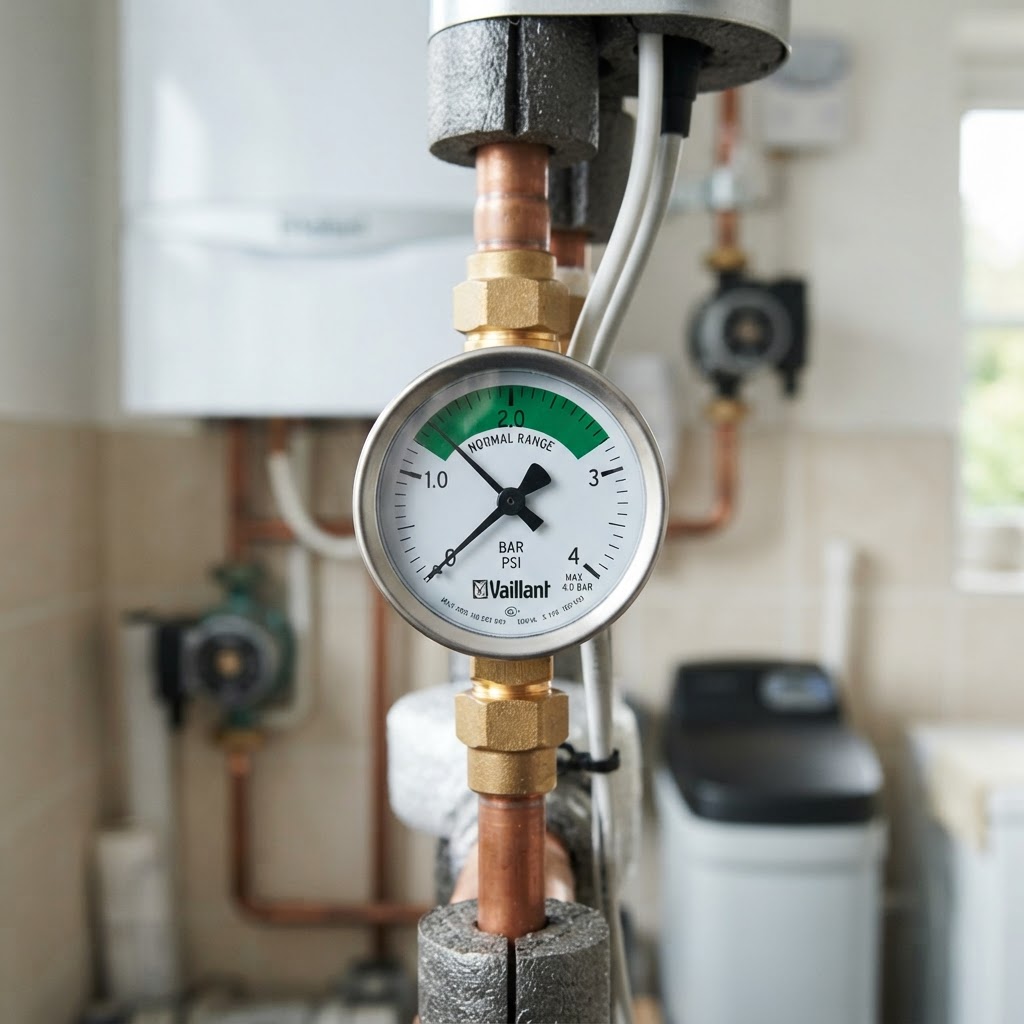
- Verify Burner Pressure: To ensure the appliance is operating at the correct heat output specified by the manufacturer.
- Visual Inspection: Checking that the flame is a crisp blue colour. A yellow or floppy orange flame is a sign of incomplete combustion and potential carbon monoxide production.
Advice for Landlords in Kent
If you are a landlord in Dartford, Sidcup, or the surrounding areas, your responsibilities are even higher. You are legally required to ensure that all gas appliances in your rental property are safe. When a new hob is installed, it must be added to your annual Landlord Gas Safety Record (CP12).
It is also worth noting that if you are installing a gas hob in a multi-occupancy building or a flat, there may be additional requirements regarding the type of hose used and the proximity to communal areas. Always check with a local expert who understands the specific building regulations for Kent and Greater London properties.
Keeping Your Kitchen Safe
Safety doesn't end once the engineer leaves. To keep your gas hob in top condition, you should clean the burners regularly to prevent blockages and ensure you have an audible carbon monoxide alarm fitted in the kitchen. If you ever smell gas or notice soot marks around the burners, turn off the gas at the meter immediately and call a professional.
At Warren Plumbing & Heating, we take kitchen safety seriously. Our Gas Safe registered engineers provide expert hob and cooker installations across Dartford, Bexleyheath, Gravesend, and the wider Kent area. Whether you need a new installation, a safety check, or a CP12 certificate for your rental property, we are here to help keep your home running safely and efficiently.